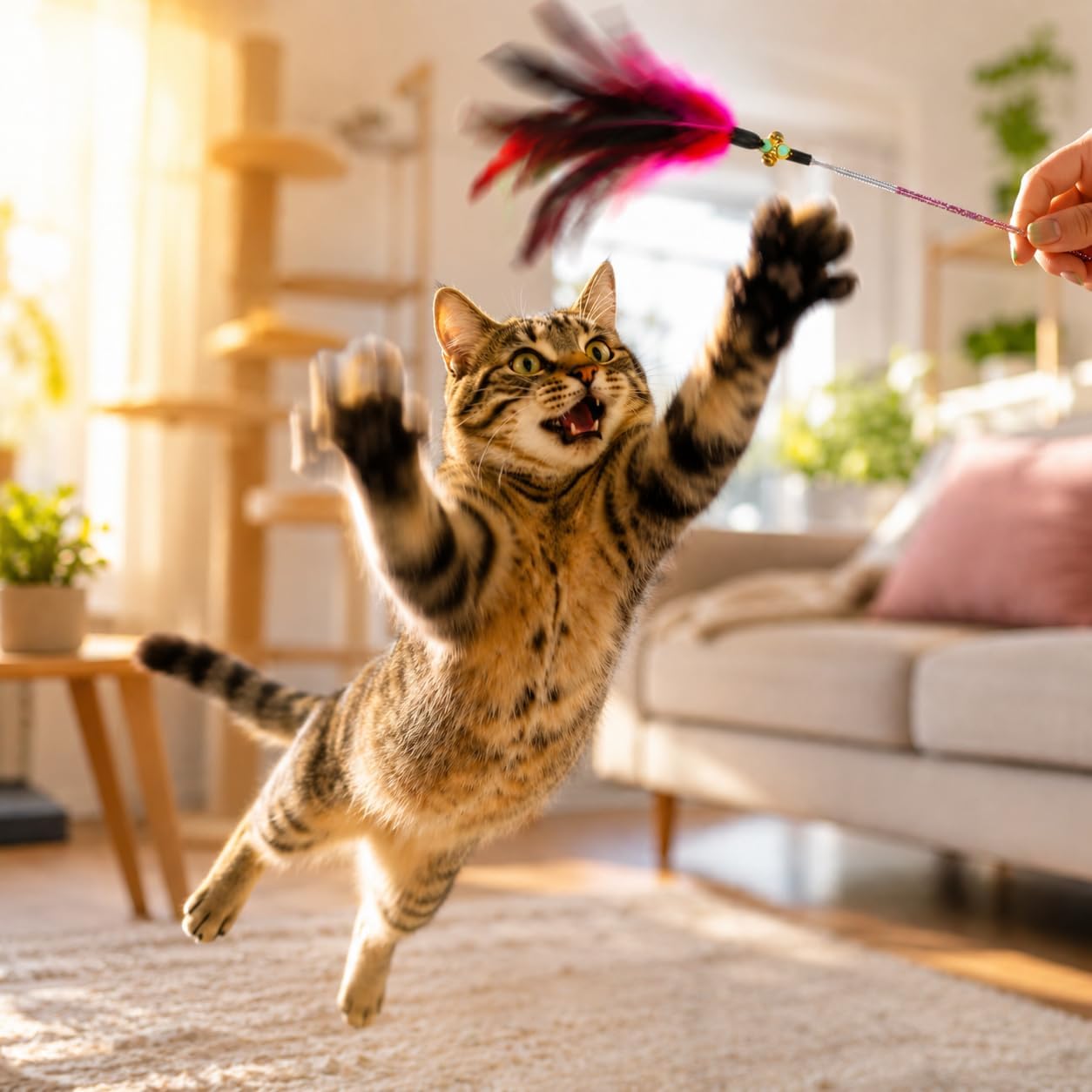
Professional grooming is valuable, but what happens between appointments matters just as much. Regular at-home grooming - nails, ears, teeth, coat - prevents the problems that make vet visits expensive and stressful. It also habituates your pet to handling from an early age, making every future vet exam, grooming appointment, and health check dramatically easier. Here is a practical guide to all four essentials.
Nail Care
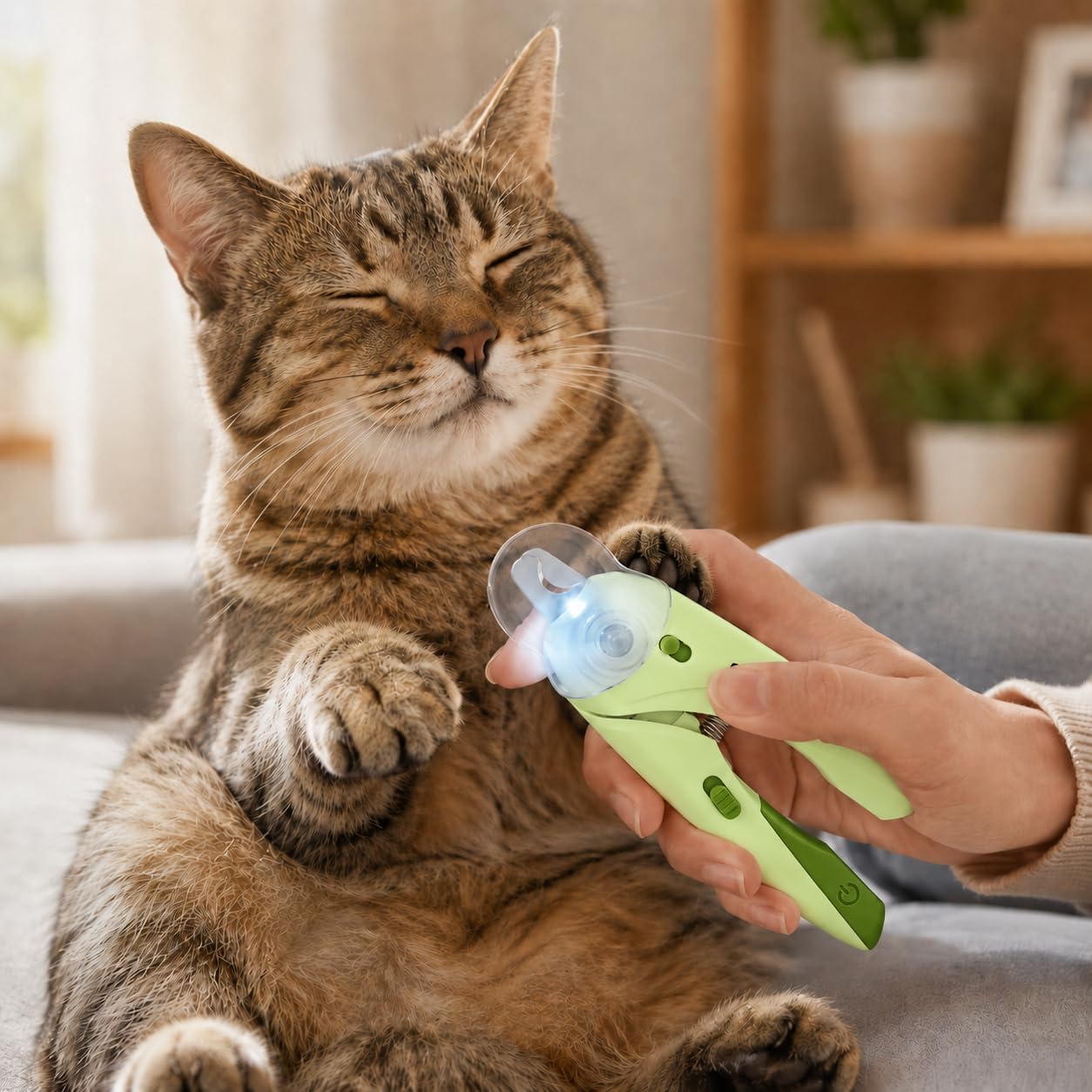
Nail trimming frequency: every 2–4 weeks for cats, every 3–4 weeks for most dogs (more frequently for low-activity indoor pets). Use sharp, species-appropriate clippers - cat and dog nails have different shapes and thicknesses. The most common beginner error is using dull clippers that crush the nail rather than cut it cleanly. LED-illuminated clippers allow safe trimming by making the quick (blood vessel) visible even in dark or opaque nails.
Ear Care
Check ears weekly. Healthy ears are light pink, clean, and odor-free. Clean with a vet-approved ear cleaning solution on a cotton ball - never insert cotton swabs into the ear canal. Wipe the visible ear surface and inner ear flap only. Signs requiring veterinary attention: dark discharge, strong odor, excessive scratching at ears, head shaking, or redness.
Dental Care
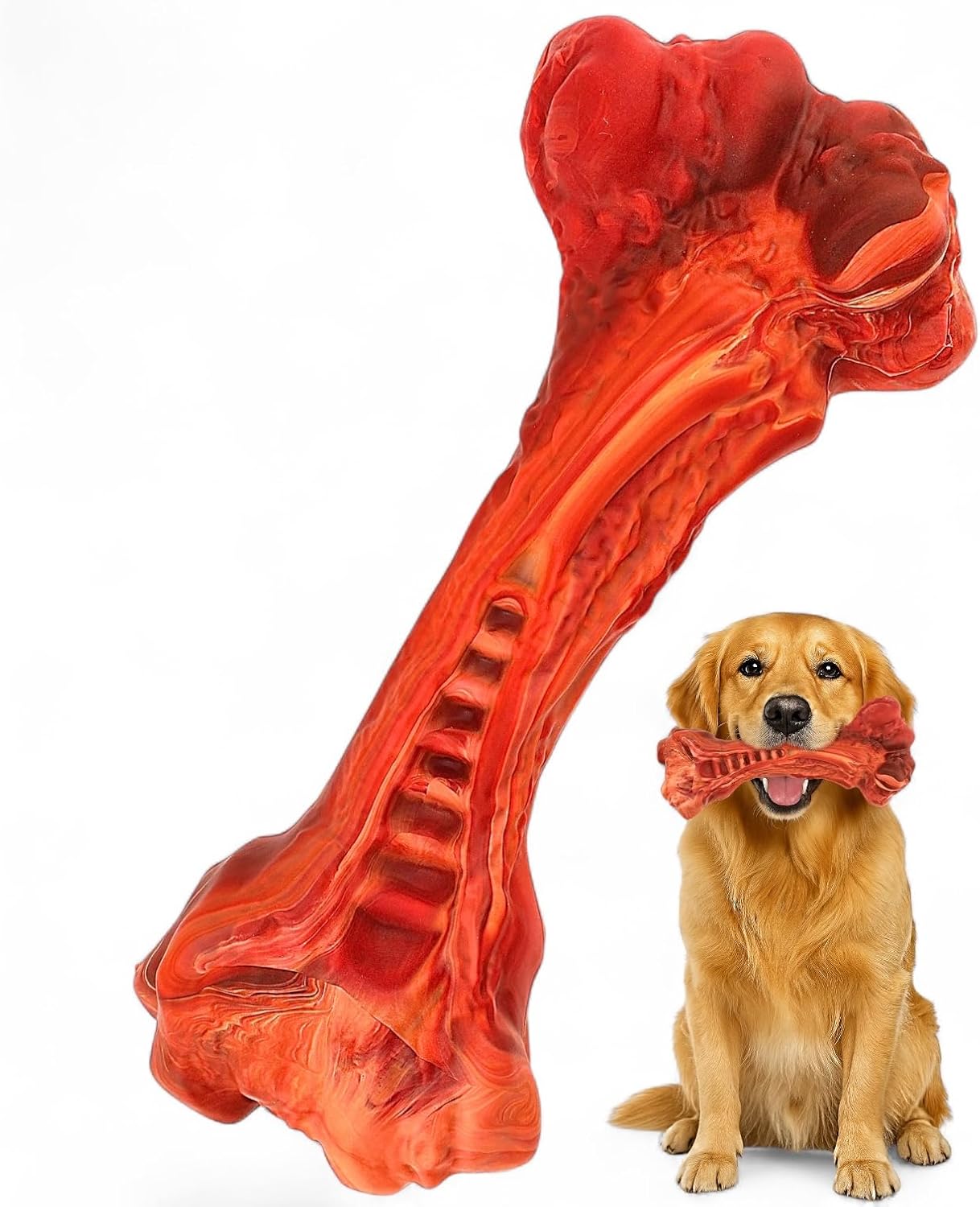
Periodontal disease affects over 80% of dogs and 70% of cats by age 3. Daily toothbrushing is the gold standard - use pet-specific toothpaste (human toothpaste is toxic to pets) and a soft-bristled brush or finger brush. For pets that won't tolerate brushing, dental chews and toys with ridged surfaces that mechanically scrape plaque are effective supplemental options. Dental water additives are an additional low-effort support.
Coat Care
Brushing frequency depends on coat type. Short coats: once a week. Medium coats: 2–3 times per week. Long coats and double coats: daily during shedding seasons, 3–4 times per week otherwise. Regular brushing removes loose hair, distributes natural oils, prevents mat formation, and allows you to check for skin issues, lumps, parasites, or wounds. Most pets learn to enjoy brushing when introduced gradually with positive reinforcement.
Building a Grooming Routine
- Start grooming habituation as early as possible - ideally as kittens or puppies
- Keep sessions short and positive, especially at the beginning
- Always follow grooming with treats and affection
- Groom in a calm environment with adequate lighting
- Never force or rush - a bad grooming experience sets trust back significantly
- Check your pet's body for lumps, skin changes, or injuries during every grooming session
Expert Tip
Pro Tip: A complete at-home grooming session once a week - nails, ears, teeth, coat - takes about 15–20 minutes once your pet is habituated. The investment in time pays off enormously in lower vet costs, a healthier pet, and a stronger bond.
The Paws Power LED Nail Clipper makes the quick visible in any nail - the single most important tool for confident at-home nail care for cats, small dogs, and rabbits.
Shop on Amazon