Cats are masters of concealment - they hide pain, illness, and distress with remarkable efficiency. Boredom is no different. Most cat owners don't recognize it until the behavioral symptoms become impossible to ignore: destroyed furniture, midnight zoomies, aggressive outbursts, or a cat that has simply checked out of life. Here are 10 clear signs your cat is bored, and exactly what to do about each one.
1. Excessive Sleeping (Beyond Normal)
Cats sleep 12–16 hours a day - that is normal. A bored cat sleeps 18–20 hours and shows no energy or enthusiasm when awake. The fix: implement two structured play sessions per day. Even 10 minutes of wand toy interaction will shift your cat from torpor to engagement. Rule out medical causes if lethargy is sudden or severe.
2. Destructive Scratching
Scratching is normal. Scratching your sofa, door frames, and carpet is a redirected behavior that often indicates insufficient enrichment. The fix: add more appropriate scratching surfaces (both vertical posts and horizontal pads), increase daily play, and use deterrent spray on damaged furniture temporarily while the cat develops new habits.
3. Over-Grooming
Psychogenic alopecia - hair loss from compulsive over-grooming - is directly linked to chronic stress and understimulation. Cats create bald patches on their bellies, inner legs, and backs. The fix: dramatically increase environmental enrichment and consult a veterinarian, as some cases require medical management alongside behavioral intervention.
4. Attention-Seeking Aggression
Cats that bite, swipe, or pounce at your ankles unprovoked are often bored cats that have discovered that aggression is the most reliable way to get a reaction. The fix: do not react - any reaction (even yelling) rewards the behavior. Instead, redirect immediately to wand play when you see your cat enter 'hunting mode' posture.
5. Excessive Vocalization
A cat that meows constantly - especially at night - is communicating unmet needs. Rule out medical causes first (hyperthyroidism, pain), then address with increased play before bedtime to satisfy the hunt cycle and promote calmer sleep.
6. Watching You Obsessively
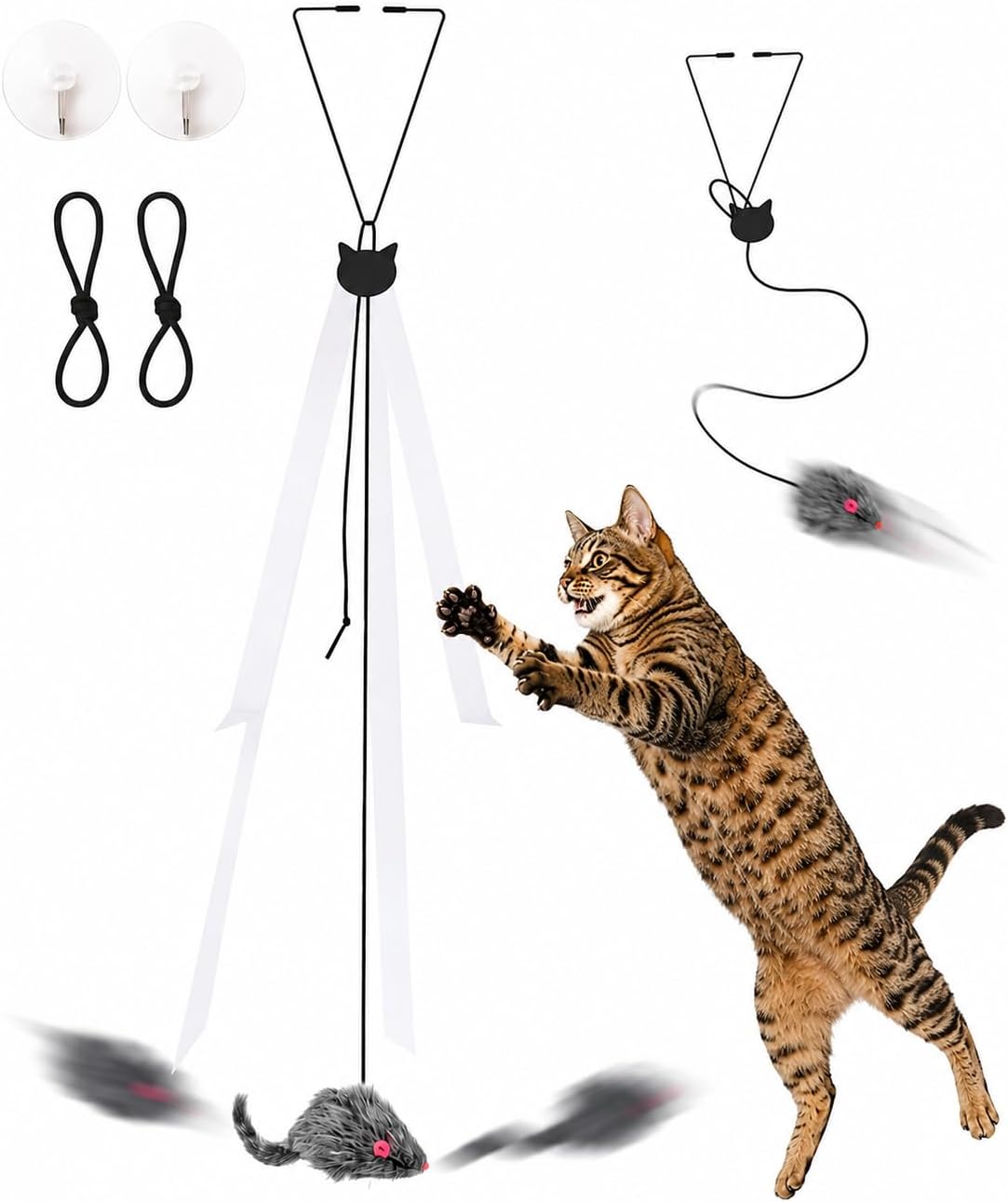
A cat that follows you from room to room and stares at you constantly may simply be the only interesting thing in their environment. The fix: create independent enrichment - hanging door toys, puzzle feeders, window perches with outdoor views - so your cat has engaging things to do that don't require your participation.
7. Changes in Appetite
Both overeating and undereating can signal boredom. Some cats stress-eat when understimulated; others lose interest in food when depression sets in. The fix: switch from bowl feeding to puzzle feeders, which make food an active mental challenge rather than a passive event.
8. Repetitive Behaviors
Pacing the same path repeatedly, obsessively batting the same object against a wall, or repeated sprinting between the same two points are stereotypic behaviors - animal behavior equivalents of compulsive disorders that develop from chronic environmental deprivation. The fix: dramatically restructure the environment and implement a full enrichment plan.
9. Inappropriate Elimination
Urinating or defecating outside the litter box has multiple possible causes - medical issues, litter box problems, territorial marking - but stress from chronic boredom is a common contributing factor. Always rule out medical causes first, then address environmental stressors.
10. Disinterest in Toys
Paradoxically, a severely bored cat may show no interest in toys. This is behavioral depression - the cat has given up on exploring its environment because exploration has never led to anything interesting. The fix: start with high-value food treats to re-engage curiosity, then gradually introduce toys. Use toys with multiple sensory elements (feathers, bells, crinkle materials) rather than simple objects.
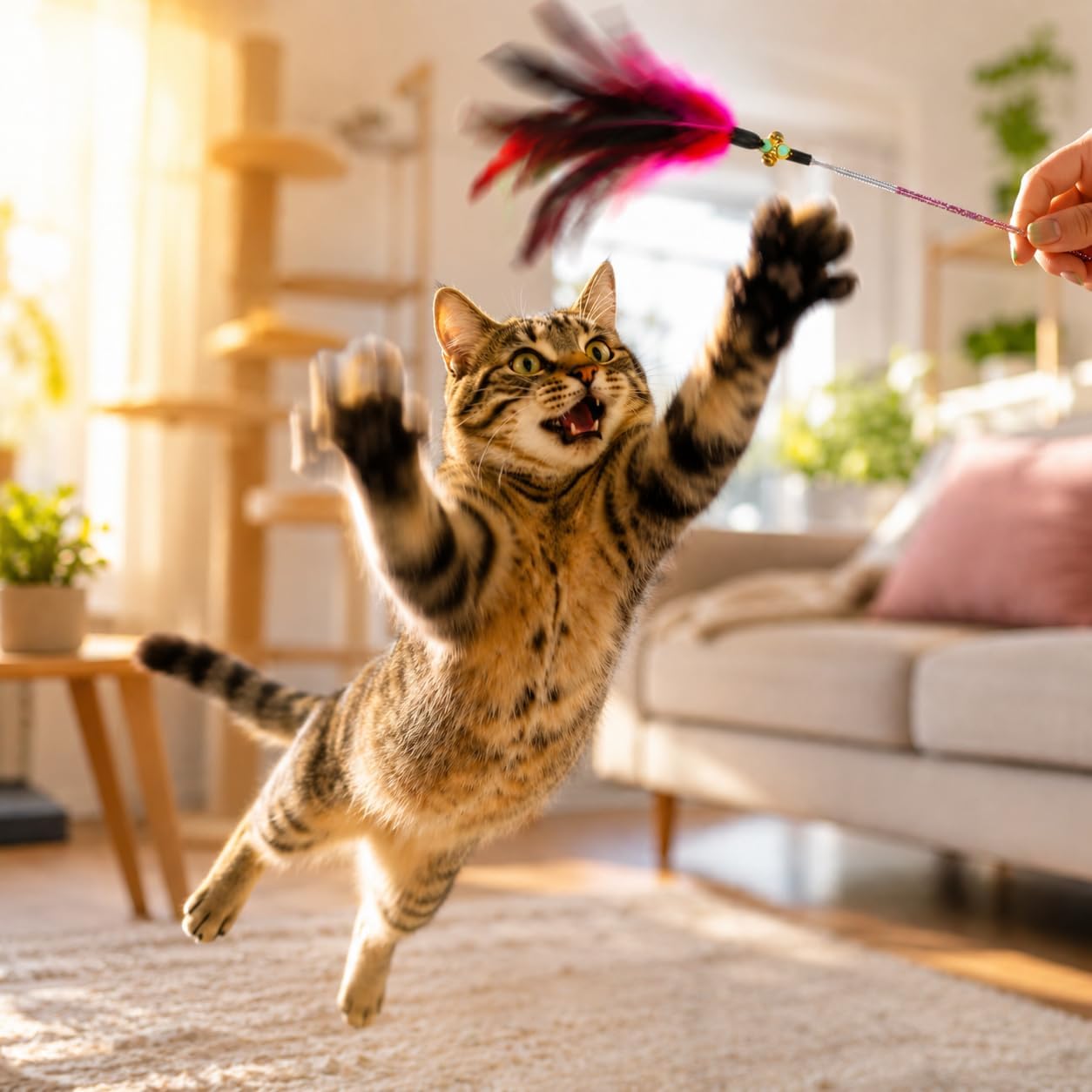
The Paws Power hanging door cat toy and feather wand set provide both autonomous and interactive enrichment - two of the most effective formats for reversing cat boredom.
Shop on Amazon